Wet Lash Extensions vs Classic Lashes — Which 2026 Style Actually Suits You
The wet lash trend is the biggest extension shift of 2026. We break down how it differs from classic, hybrid, and volume lashes, who it works for, what it costs, and what to ask for at your appointment.
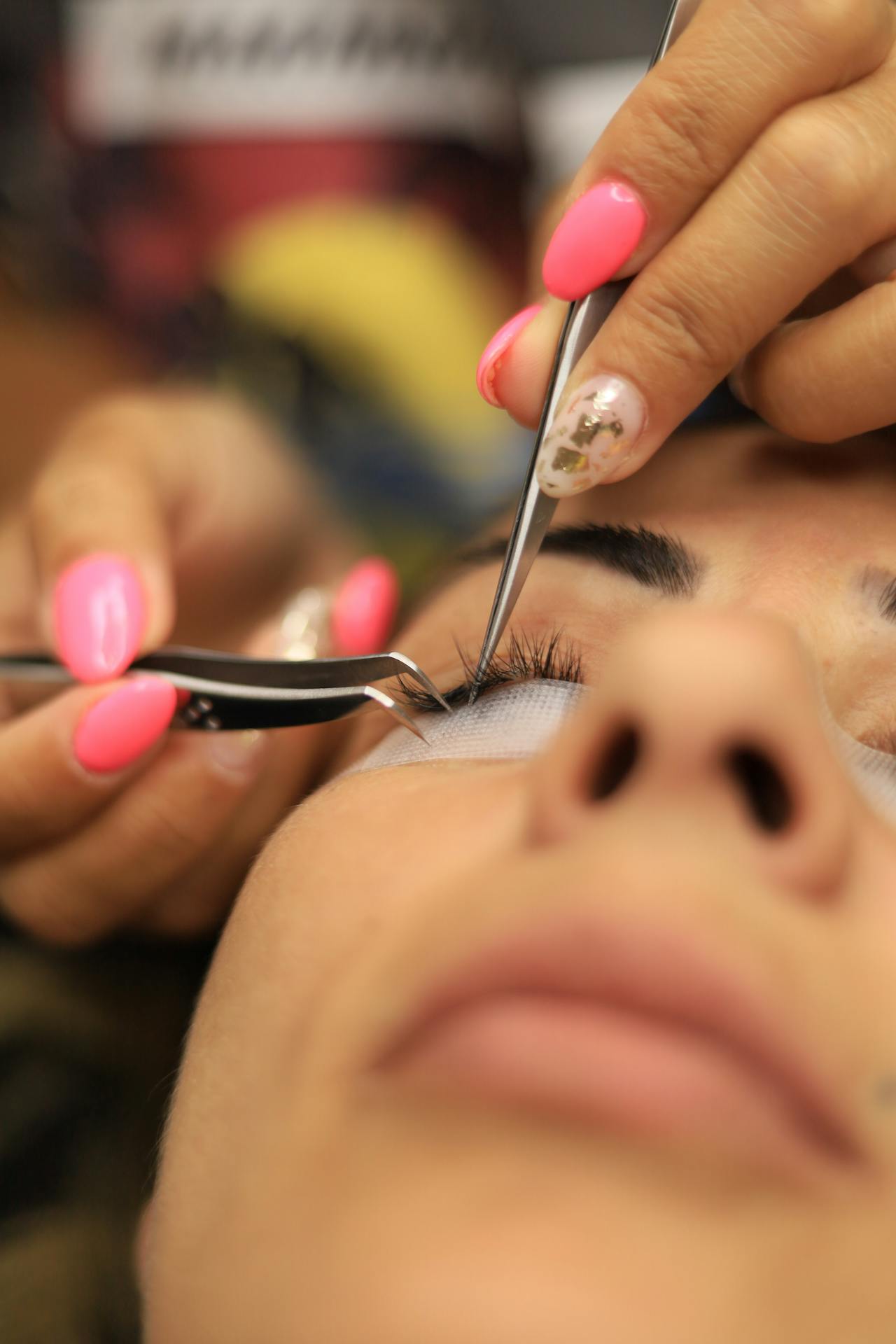
The lash room looked the same for almost a decade — classic, hybrid, or volume, with a few mega and Russian volume options for the brave. Then wet lashes arrived in late 2025, and within six months they've become the most-requested style across Zoca's Lash & Brow Studios network of 600+ certified lash artists in 55 US cities. Here's the side-by-side breakdown of wet lash vs. classic, plus when each is actually the right choice.
What are wet lash extensions?
Wet lash extensions are a 2026 styling technique that creates a glossy, "just stepped out of the rain" look by intentionally clustering a few longer spikes among shorter base lashes, then sealing the set with a conditioning topcoat. The result mimics the way mascara-coated lashes look after rain or a shower — defined, separated, and reflective. Wet lashes are not a new product; they're a new mapping technique applied with classic, hybrid, or volume fans.
A full wet lash set runs $180 to $320 in 2026, with NYC and LA pricing reaching $400. Fills run $90 to $180 every 2 to 3 weeks.
What are classic lash extensions?
Classic lash extensions are the original technique — one synthetic extension applied to one natural lash, mapped uniformly to lengthen and define without adding density. The look is mascara-on-clean-lashes, only better. Classic remains the most-requested style for first-time lash clients and for anyone with healthy but sparse natural lashes.
A full classic set runs $120 to $230 in 2026, with fills at $65 to $130 every 2 to 3 weeks.
How wet lashes differ visually
Three things separate wet lashes from a classic set. First, spike placement is intentional and irregular — clusters of longer spikes at certain points along the lash line create the "just rained" look. Second, the spikes are noticeably longer than the base lashes, often by 2 to 4mm. Third, a conditioning sealant adds the wet-finish gloss that classic sets don't have.
The difference is most visible in profile and three-quarter angles, where wet lashes catch light along the spike edges. Straight-on, the contrast is subtler.
Who wet lashes work best for
Wet lashes flatter clients who already have decent natural lash density and want a more editorial, photo-forward look. They photograph extremely well, which is why they've taken off across wedding, prom, and content-creator markets. They also suit clients with hooded eyelids, since the longer spikes draw the eye open.
They are not the right choice for clients with very sparse natural lashes or for anyone who wants a soft, fluffy, everyday look. The intentional spike contrast can read severe on natural lashes that can't support the longer extensions.
Who classic lashes work best for
Classic suits four groups: first-time lash clients, anyone with sensitive eyes, brides who want subtle enhancement that photographs naturally, and clients with healthy lashes who want low-maintenance retention. Classic also has the lowest weight per natural lash, making it the safest long-term style for people who plan to wear extensions for years.
Hybrid and volume — the middle ground
Hybrid is a mix of classic and 2D-3D volume fans, giving more density than classic without the doll-like fullness of full volume. It's the most-requested style overall in our network in 2026 and runs $150 to $280 for a full set. Volume sets — using fans of 4 to 8 ultra-fine extensions per natural lash — run $200 to $380. Russian volume and mega volume sit at the high end at $250 to $450.
Wet lash vs. classic — the cost comparison
A full wet lash set costs roughly 35 to 50% more than a full classic set because of the styling time and the technique-specific certification required of the artist. Fill cost differential is similar. Over a year of biweekly fills, expect to spend $1,800 to $3,400 on classic and $2,400 to $4,500 on wet.
Health, safety, and lash retention
The biggest concern in lash work in 2026 is the rise of cluster lashes — pre-made fans applied without proper isolation, often by under-trained operators in walk-in shops. Cluster lashes weigh down natural lashes, create matted breeding grounds for infection, and use significantly more adhesive than individual extensions. Avoid any salon that offers "express lash" sets in under 60 minutes, since proper isolation simply cannot be done that fast.
A 2025 American Academy of Ophthalmology survey found a 23% rise in lash-related blepharitis cases attributable to cluster lashes specifically, while individually-applied classic, hybrid, and volume sets showed no statistically significant increase.
Aftercare for wet and classic lashes
The aftercare rules are nearly identical. Avoid water, oil-based products, and steam for the first 24 hours. Cleanse daily with a lash-specific foaming cleanser (Stacy Lash Foam Cleanser, Lash Stuff Foam Bath, or Borboleta Lash Wash are favorites). Brush gently with a clean spoolie morning and night. Sleep on a silk pillowcase or with a sleep mask. And book fills before retention drops below 40 to 50% — pushing past that timeline forces a full set restart and shortens the life of the natural lashes.
Personalized mapping is the bigger 2026 story
Beyond wet vs. classic, the largest shift in lash artistry is personalized mapping — matching length, curl, fiber weight, color, and finish to each client's eye shape and routine. The CCs and Ds of 10 years ago are giving way to formulas like "L-curl spikes with C-curl base" for hooded eyes, or "B-curl with C-curl outer corner" for clients who don't want a heavy lift. Ask your artist for an eye-shape consultation before your first set — most certified artists offer it for free.
What to ask for at your appointment
Bring two reference photos — one for your overall vibe and one for length. Tell your artist your daily makeup routine, whether you sleep on your side or back, and whether you wear glasses or contacts. Ask explicitly for individual application (not clusters), confirm the brand of adhesive, and ask whether the artist holds a Certified Lash Artist (CLA) credential or equivalent training certificate.
Finding the right lash artist
Use Lash & Brow Studios to filter for certified artists in your city. The bar for a quality wet lash specialist in 2026 is at least 50 reviews averaging 4.7 stars, an Instagram portfolio with at least 30 wet lash sets, and willingness to share the brand of adhesive and isolation method during a free consultation. Across our 600+ artist network, the wait for top wet lash specialists in NYC, LA, and Miami is currently 4 to 8 weeks.
Final thoughts
Wet lashes are the editorial 2026 statement; classic remains the dependable everyday choice. The right pick depends on your natural lash density, eye shape, and how high-glam you want your default look to be. Whichever you choose, prioritize an artist with proper certification, individual (not cluster) application, and a portfolio that proves they can do the style you want — that's the difference between extensions that flatter and extensions that damage.
Explore More Beauty & Wellness Resources
Looking beyond lash and brow services? These trusted directories can help you find related services:
Frequently asked questions
What is the difference between wet lash and classic lash extensions?
How much do wet lash extensions cost in 2026?
Are cluster lashes the same as wet lashes?
Who should not get wet lash extensions?
How long do wet lashes last between fills?
What aftercare keeps wet lashes looking good?
What credentials should I look for in a lash artist?
How early should I book a wet lash specialist?
Will wet lashes damage my natural lashes?
Can I switch from classic to wet lashes at my next fill?
Need a provider in Nationwide?
Browse our directory and book directly with local businesses.
Browse the directoryRelated articles
Best Lashes in Brooklyn, NY — 2026 Guide
Everything you need to know about lashes & brows in Brooklyn, NY — from choosing the right service to finding providers locals actually recommend. Pricing, FAQs, and booking links included.

Best Lashes in California — 2026 Guide
Everything you need to know about lashes & brows in California — from choosing the right service to finding providers locals actually recommend. Pricing, FAQs, and booking links included.
Best Lashes in Chicago, IL — 2026 Guide
Everything you need to know about lashes & brows in Chicago, IL — from choosing the right service to finding providers locals actually recommend. Pricing, FAQs, and booking links included.