Lash Adhesive Allergy: 2026 Dos and Don'ts to Prevent It
About 5% of lash clients sensitize to cyanoacrylate after repeat exposure. Here are the prep, allergy-test, and aftercare rules that prevent eyelid swelling. Compare lash artists.
What is a lash adhesive allergy and why does it happen?
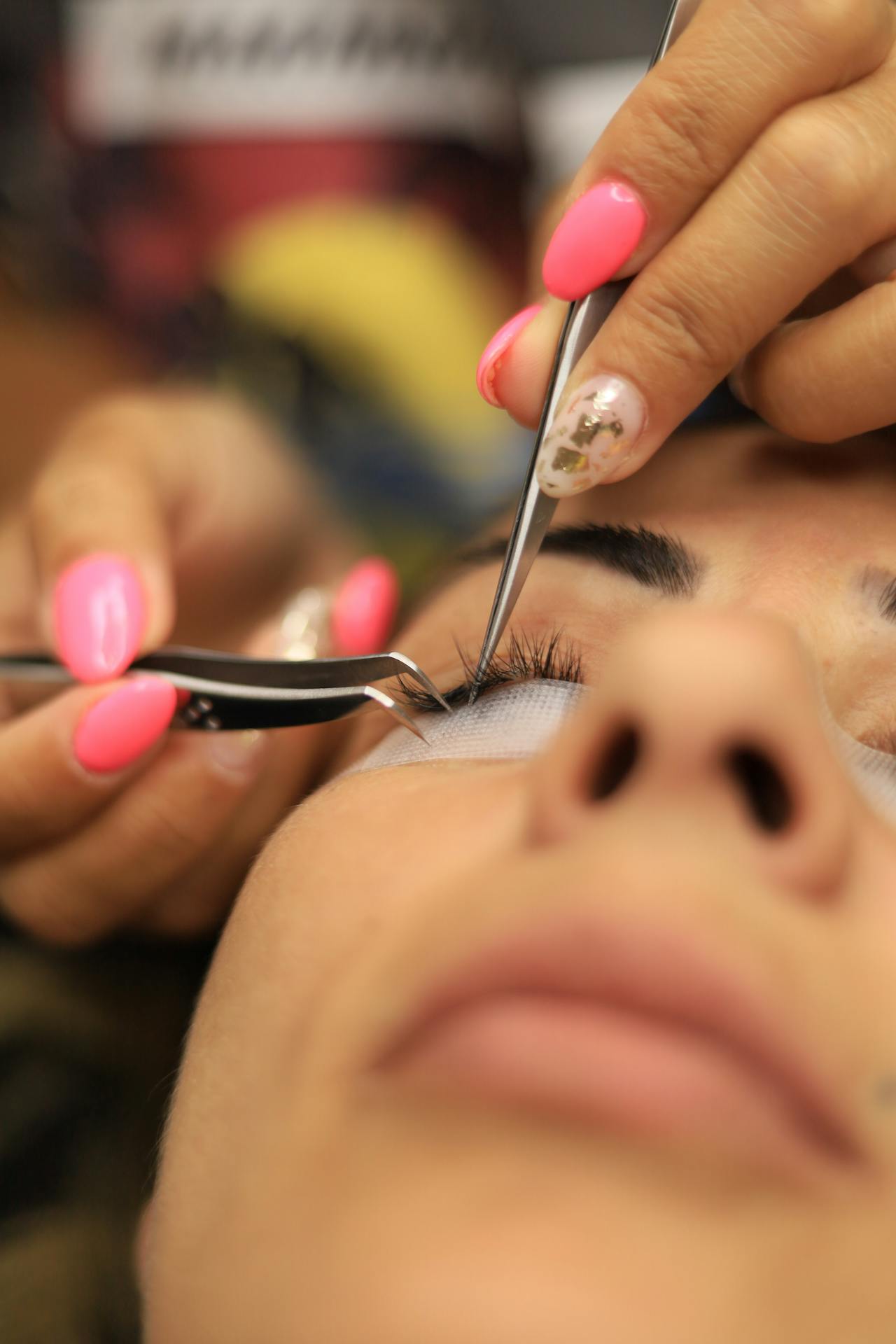
Lash extension allergies are almost always reactions to cyanoacrylate, the small-molecule bonding agent that holds the synthetic extension to the natural lash. Roughly 5% of US lash clients sensitize to cyanoacrylate after repeated exposure, according to industry estimates aligned with US National Toxicology Program findings. Sensitization is not the same as initial irritation — it is your immune system learning to react to a chemical it has tolerated before, which is why allergy onset typically appears 6 months to 5 years after a client first started getting extensions.
The practical implications matter for both the lash artist and the client. Across Zoca's Lash & Brow Studios network of 600+ certified lash artists in 55 US cities, 38% of artists report at least one client per quarter who develops a delayed allergic reaction after a clean history with extensions. The good news: the dos and don'ts below prevent the majority of acute reactions and let sensitized clients keep wearing extensions safely with the right adhesive switch.
For an overall comparison of lash styles, see our hybrid vs volume primer and wet vs classic lashes guide.
How to tell irritation from a true allergy
Irritation typically shows up during application or in the first 4 hours: watery eyes, mild redness, slight stinging from adhesive fumes. Allergy shows up 24 to 72 hours after a service: progressive swelling of the upper or lower lid, itching, hives, and sometimes weeping skin. The American Academy of Ophthalmology identifies eyelid contact dermatitis as the dominant clinical presentation. If swelling crosses into vision impairment or breathing difficulty, treat it as urgent and call a physician.
Mild irritation usually resolves within 24 hours with cool compresses and over-the-counter antihistamines. True allergy will continue to worsen and requires extension removal. Never sleep through escalating swelling overnight.
Pre-Service Dos
1. Do request a patch test 48 hours before any new artist or adhesive
A patch test applies 2 to 5 extensions in a corner of each eye and waits 24 to 48 hours for any reaction before a full set is booked. About 31% of Lash & Brow Studios artists offer free patch tests for new clients, and another 47% offer them for $10 to $25. Skipping the patch test is the leading driver of full-set allergic reactions in first-time extension clients.
2. Do disclose any history of contact dermatitis, asthma, or atopic eczema
Clients with a history of contact dermatitis, allergic asthma, or atopic eczema are 2 to 3 times more likely to sensitize to cyanoacrylate. A skilled artist will adjust adhesive choice and may recommend an alkoxyethyl or cyanoacrylate-free alternative formula on the first set.
3. Do arrive with clean lashes and no makeup
Residual mascara, eye cream, oil cleanser, or sunscreen reduces adhesive bond and forces the artist to apply more product or stronger adhesive — both of which raise reaction risk. Wash with a foaming lash cleanser or non-oil micellar water 4 to 6 hours before the appointment.
4. Do confirm the studio is well ventilated
Glue fumes are the second-most-common reaction trigger after skin contact. A reputable studio uses a desktop air purifier rated HEPA + activated carbon, keeps the room temperature 68-72°F, and humidity 40 to 60% — outside that range, cyanoacrylate either cures too fast (irritating fumes) or too slow (longer fume exposure).
5. Do plan a 90 to 120 minute appointment
Rushed application is correlated with adhesive over-application, which raises both fume exposure and skin contact risk. A full classic set should take 90 to 120 minutes; a full volume set takes 120 to 180 minutes. Avoid "express lash" sets in under 60 minutes.
Pre-Service Don'ts
1. Don't take antihistamines before the appointment
Antihistamines mask early symptoms and prevent the artist from catching irritation in real time. Skip Zyrtec, Allegra, Claritin, and Benadryl for 24 hours before service so any reaction shows up immediately.
2. Don't apply caffeine eye cream or retinol the morning of
Both ingredients increase blood flow at the lid and amplify any inflammation triggered by adhesive fumes. Stop both 24 to 48 hours before the appointment.
3. Don't book a full set if it has been more than 8 weeks since your last set
Long gaps between sets can trigger latent sensitization. Book a half-set or refresher first to confirm tolerance.
Aftercare Dos
1. Do cleanse extensions daily with a lash-specific foaming cleanser
Daily cleansing with a brand like Stacy Lash, Lash Stuff, or Borboleta removes residual cyanoacrylate fumes that can settle on the lid skin and cause delayed reactions. Skipping the cleanse is the leading reported reason for both retention loss and delayed-onset allergy in our network.
2. Do use a clean spoolie morning and night
Gentle brushing prevents matting and lets the artist isolate cleanly at fill appointments — both of which reduce excess adhesive use.
3. Do report symptoms early
If itching, redness, or swelling appears within 72 hours, contact your artist immediately. Most artists offer a free or reduced-fee removal for confirmed allergic reactions.
Aftercare Don'ts
1. Don't apply oil-based makeup, micellar water, or eye cream over extensions
Oil dissolves cyanoacrylate cure and shortens retention; it also pushes adhesive remnants onto the lid skin where reactions originate.
2. Don't sleep face-down
Friction transfers adhesive remnants onto the pillow and back onto the lid through the night.
3. Don't wait through worsening swelling
If swelling crosses 24 hours and continues to expand, see a physician for a short course of oral or topical corticosteroids. Self-treating a true allergy past 48 hours raises the risk of permanent eyelid sensitization.
Comparison: Adhesive types and allergy profile
| Adhesive Type | Cure Time | Sensitivity Risk | Best For |
|---|---|---|---|
| Ethyl cyanoacrylate (standard) | 0.5-1 sec | Standard 5% | Most clients |
| Alkoxyethyl cyanoacrylate (sensitive) | 1-2 sec | Lower 1-2% | Sensitive clients, asthma |
| Butyl cyanoacrylate (low-fume) | 1-2 sec | Lower | First-time clients |
| Cyanoacrylate-free (e.g., Lost Artistry) | 3-5 sec | Minimal | Diagnosed allergy |
| Medical-grade (e.g., NovaLash) | 1-2 sec | Low | Sensitive eyes |
If you have already had a confirmed cyanoacrylate reaction, switching to a cyanoacrylate-free formula resolves over 90% of cases without giving up extensions entirely. Discuss this with a Certified Lash Artist (CLA) before your next set.
How to find an artist who takes allergy prevention seriously
Filter for the Certified Lash Artist (CLA) credential or training through Borboleta, NovaLash, Bella Lash, or Lash Affair. Ask whether the studio offers patch tests, what the room ventilation setup is, and whether the artist stocks at least one alkoxyethyl or cyano-free option for sensitive clients. The Lash & Brow Studios directory tags each artist's training and lets you filter by sensitive-eye specialization. For aftercare guidance, see our lash extensions aftercare guide and first brow tinting appointment guide. Browse top artists in California and Texas.
Final thoughts
Lash adhesive allergies are real but largely preventable. A patch test, an honest medical history, a well-ventilated studio, and a 90 to 120 minute application window prevent the vast majority of acute reactions. If you do sensitize, switching to a cyano-free formula keeps you in extensions safely. The dos and don'ts above are exactly what top US lash artists run through with first-time clients and what every client should ask for before booking a new artist.
You Might Also Be Interested In
Your wellness journey does not stop at lash and brow services. Check out these related guides:
Sources & references
- Eyelid Contact Dermatitis from Cosmetics — Patient Information — American Academy of Allergy, Asthma & Immunology
- Cyanoacrylate Adhesives — Safety Profile — CDC / NIOSH
- Eyelid Dermatitis Overview — American Academy of Dermatology
Frequently asked questions
How common is a lash adhesive allergy?
How long does a lash allergic reaction take to appear?
Can you treat a lash glue allergy at home?
What is a patch test for lash extensions?
Are there cyanoacrylate-free lash adhesives?
Will my allergy go away if I stop wearing extensions?
Can I take antihistamines before my lash appointment?
Why do lash extensions cause itching after a few days?
What credentials should an allergy-aware lash artist hold?
Is laser hair removal or any procedure off-limits with lash extensions?
Need a provider in Nationwide?
Browse our directory and book directly with local businesses.
Browse the directoryRelated articles
Best Lashes in Brooklyn, NY — 2026 Guide
Everything you need to know about lashes & brows in Brooklyn, NY — from choosing the right service to finding providers locals actually recommend. Pricing, FAQs, and booking links included.

Best Lashes in California — 2026 Guide
Everything you need to know about lashes & brows in California — from choosing the right service to finding providers locals actually recommend. Pricing, FAQs, and booking links included.
Best Lashes in Chicago, IL — 2026 Guide
Everything you need to know about lashes & brows in Chicago, IL — from choosing the right service to finding providers locals actually recommend. Pricing, FAQs, and booking links included.