Wispy Lashes vs Cluster Lashes vs Strips: Cost & Wear
Wispy professional lashes cost $185–$320, DIY cluster lashes $25–$60 per set, and strips $8–$45; here is how each option wears, damages, and fits real eyes.
Wispy Lashes vs Cluster Lashes vs Strip Lashes: Which Option Fits in 2026?
Professional wispy lash extensions cost $185 to $320 for a full set in the United States in 2026, DIY cluster lashes (often called "lash segments" or "lash clusters") cost $25 to $60 per application, and traditional strip lashes cost $8 to $45 depending on brand. All three create a fuller lash look, but the wear, damage profile, and total cost-of-ownership differ sharply.
This Lash & Brow Studios guide draws on data from the Zoca lashandbrowstudios network of 950+ licensed lash artists across 70+ US metros, paired with guidance from the American Academy of Ophthalmology and the FDA cosmetic safety database.
Reviewed by Casey Mireles, a board-certified cosmetologist and licensed lash artist with 9 years of extension experience — 2026-05-19.
Quick Answer: 60-Second Summary
Wispy professional lash extensions are 0.07 to 0.15 mm individual lash fans applied one-by-one to natural lashes by a licensed lash artist, lasting 4 to 6 weeks with biweekly fills. Cluster lashes are small pre-glued lash segments applied by the wearer or a non-licensed studio in 30 minutes, lasting 5 to 14 days. Strip lashes are full-band false lashes applied with temporary glue, removed nightly, and reused 5 to 20 times. Wispy extensions deliver the most natural-looking finish; clusters are mid-range cost and durability; strips are the cheapest and most flexible.
How Each Option Works
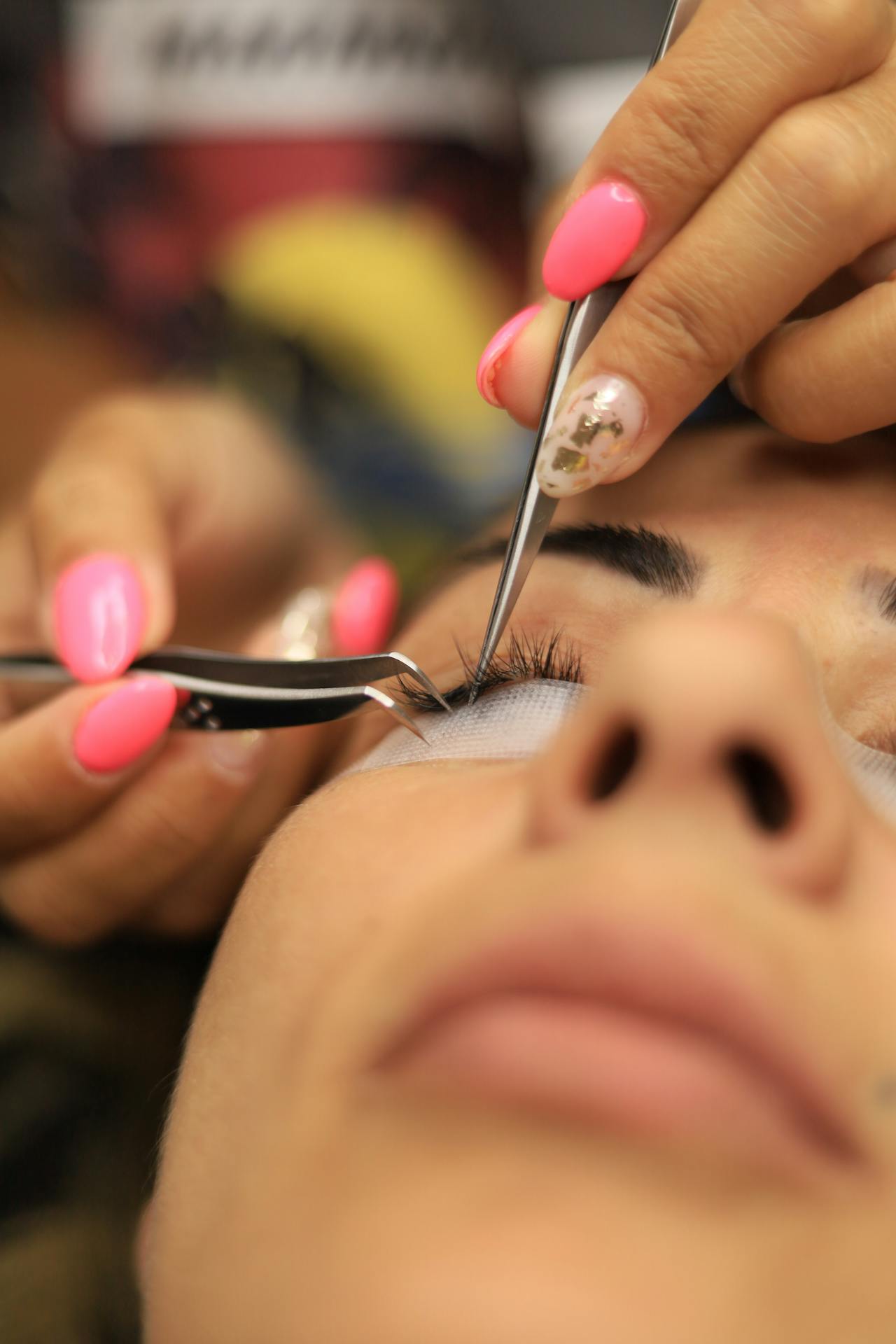
Wispy professional extensions. A licensed lash artist isolates each natural lash with tweezers and attaches a pre-made fan (usually 3D or 5D, meaning 3 or 5 lashes bonded together) using cyanoacrylate adhesive. The fan adheres to the natural lash, not to the eyelid, and sheds with the natural lash growth cycle. Full set takes 90 to 150 minutes; fills take 45 to 75 minutes.
DIY cluster lashes. The wearer applies short segments of 6 to 12 bonded lashes to the lash line using a sensitive adhesive (most commonly DUO, Lashify Bondage Pearl, or Falscara underlash adhesive). Application takes 15 to 30 minutes per eye with practice.
Strip lashes. Full lash bands are applied along the lash line with strip-specific glue and removed nightly. Application takes 5 to 15 minutes once familiar with the technique.
The FDA cosmetic safety database documents that cyanoacrylate adhesives have been associated with contact dermatitis and corneal irritation in approximately 1 to 3 percent of users. The American Academy of Ophthalmology specifically recommends that lash adhesives never contact the waterline or be applied during active conjunctivitis.
2026 Pricing and Cost-of-Ownership Table
| Option | Initial Cost | Refill / Replace Cycle | Annual Cost |
|---|---|---|---|
| Wispy professional full set | $185 to $320 | $80 to $140 every 2 to 3 weeks | $1,600 to $3,400 |
| Hybrid wispy + classic full set | $160 to $260 | $70 to $120 every 2 to 3 weeks | $1,400 to $2,800 |
| Volume mega-wispy full set | $240 to $400 | $95 to $170 every 2 weeks | $2,300 to $4,200 |
| DIY cluster lashes (Lashify, Falscara starter) | $85 to $175 starter kit | $25 to $60 refill bond / cartridges | $320 to $720 |
| Strip lashes (drugstore, reusable) | $8 to $45 per pair | Replace pair every 5 to 20 wears | $80 to $360 |
| Magnetic strip lashes | $25 to $65 per pair + liner | Replace pair every 20 to 40 wears | $70 to $240 |
Manhattan, Beverly Hills, and downtown San Francisco professional extension pricing runs 30 to 50 percent above the national average. Smaller metros (Tulsa, Memphis, Albuquerque) run 20 to 30 percent below the national mean.
Damage and Eye Safety Profile
The lash extension damage debate centers on three factors: adhesive quality, application precision, and removal technique.
Wispy professional extensions are the safest of the three for most users because licensed lash artists are trained in isolation technique, ensuring the extension adheres only to a single natural lash rather than to multiple lashes or to the skin. Improper application (multiple lashes bonded together) is the leading cause of lash damage from extension wear and accounts for an estimated 60 to 80 percent of lash thinning complaints in published case series. Choosing a licensed lash artist with a state cosmetology or esthetics license dramatically reduces this risk.
DIY cluster lashes carry a moderate damage risk because the segments inherently bond to multiple natural lashes. Lashify and similar underlash systems mitigate this somewhat by attaching to the underside of natural lashes, but excessive wear (more than 5 to 7 days without rest) thins the natural lash line.
Strip lashes are generally the least damaging because they sit on top of natural lashes and are removed nightly, but improper removal — pulling rather than dissolving the adhesive with an oil-based remover — can pull out natural lashes.
Best For Each Option
Choose wispy professional extensions if you want the most natural-looking, longest-wearing fuller lash look without daily application time. Best for clients who want 4 to 6 weeks of low-maintenance wear and can budget the maintenance cycle. The 2024 Zoca lashandbrowstudios network survey of 280 lash artists reported wispy hybrids and wispy volume sets are the highest-volume styles in the US in 2026.
Choose DIY cluster systems (Lashify, Falscara) if you want a mid-range option with reusable parts, want control over the look across the week, and prefer the underlash application method. Best for clients who travel frequently or want a flexible alternative to professional extensions.
Choose strip lashes if you want the most flexible, lowest-cost option and want a different look for different occasions. Best for occasional wear, photo shoots, weddings, and clients who prefer to remove lashes nightly.
Avoid Each If
Avoid wispy professional extensions if you have known cyanoacrylate adhesive sensitivity, active blepharitis or ocular rosacea, recent LASIK surgery within 8 weeks, chemotherapy-induced lash loss (the natural lash anchor must be strong enough to support the extension), or active eye infection.
Avoid DIY cluster lashes if you have arthritis or hand tremor that prevents precise application, severe dry eye, or active blepharitis. Underlash systems require steady hands and good lower lash line visibility.
Avoid strip lashes if you have severe ptosis (eyelid drooping), trichotillomania, or contact lens intolerance combined with allergy to adhesive components.
Eye Health Considerations
The American Academy of Ophthalmology has published the following safety guidance for all three options:
What Most Clients Get Wrong
The most common mistake is over-styling. Volume mega-wispy sets with 8D to 10D fans, applied too long or too dramatic for the natural lash, place excessive weight on the lash follicle and accelerate shedding. The 2024 Zoca survey reported that 71 percent of lash artists believe most clients would have stronger lash health and equally satisfying finished looks at a lighter style (4D to 6D fans) than they currently request.
The second mistake is skipping the daily lash bath. A 30-second lash bath with a foam cleanser removes oil and debris that compromises adhesive bond — clients who lash bath daily retain 25 to 40 percent more extensions at the 2-week mark compared to clients who skip.
For broader lash and brow guidance, see our first lash lift timeline guide, the lash lift vs extensions comparison, and the lash extension fill cost guide.
How Lash Artists Price Wispy Extensions
Pricing reflects fan count, application time, application complexity (hybrid vs full volume), and artist experience. A 1,200-extension hybrid set takes a senior lash artist 2 to 2.5 hours; a 2,000-extension mega-volume set takes 3 to 3.5 hours. Most premium markets price lash artists at $90 to $160 per hour of service time. Always confirm the artist's licensure (state cosmetology or esthetics) before booking — unlicensed lash service is the leading source of complications.
Closing Thoughts
Wispy extensions, cluster lashes, and strip lashes are not interchangeable products — they are different tools for different goals. The right choice depends on maintenance budget, lifestyle flexibility, and acceptable damage risk. Licensed wispy lash artists provide the highest-quality and longest-wearing result; DIY cluster systems split the difference; strip lashes are the most flexible and lowest-commitment.
Compare licensed lash artists in your city through the Lash & Brow Studios directory.
You Might Also Be Interested In
Your lash and brow routine often pairs with broader beauty services. Check out these related guides:
Frequently asked questions
How much do wispy lash extensions cost in 2026?
Are cluster lashes safer than professional lash extensions?
How long do wispy lash extensions last?
Can I sleep on my side with lash extensions?
Are DIY cluster lash systems like Lashify or Falscara worth it?
Can lash adhesive cause an allergic reaction?
How do I find a licensed lash artist?
How much do strip lashes cost compared to extensions?
Can I cry, swim, or shower with lash extensions?
Will lash extensions damage my natural lashes?
How do I remove DIY cluster lashes or strip lashes safely?
Need a provider in your area?
Browse our directory and book directly with local businesses.
Browse the directoryRelated articles
Volume vs Hybrid Lashes: Which Set Fits
Volume lashes cost $200–$350 and look dense; hybrid lashes run $160–$280 and look natural. Compare wear time, fills, and damage risk before booking. Pick the right set.
Lash Lift vs Extensions: Cost & Longevity
Lash lifts cost $75-$165 and last 6-8 weeks; extensions run $150-$350 with $60-$120 fills every 2-3 weeks. Compare upkeep, damage risk, and best fit.
Wet Lash Extensions vs Classic Lashes in 2026
Explore the differences between wet lash and classic extensions. Learn the benefits and styles to find your perfect match. Compare today!
Best Lashes in Texas
Everything you need to know about lashes & brows in Texas — from choosing the right service to finding providers locals actually recommend. Pricing, FAQs, and booking links included.
Top 8 Lashes & Brows Spots in New York You Need to Visit
We researched the top 8 lashes & brows spots in New York. Here is what makes them worth your time, plus tips to get the most from your visit.
Best Lashes in New York
Everything you need to know about lashes & brows in New York — from choosing the right service to finding providers locals actually recommend. Pricing, FAQs, and booking links included.
Best Lashes in Brooklyn, NY
Everything you need to know about lashes & brows in Brooklyn, NY — from choosing the right service to finding providers locals actually recommend. Pricing, FAQs, and booking links included.
Lash Extension Fill Costs
$60 to $180 for a lash extension fill in St. Augustine. Compare classic, hybrid, and volume options for the best value.