Volume vs Hybrid Lashes: Which Set Fits
Volume lashes cost $200–$350 and look dense; hybrid lashes run $160–$280 and look natural. Compare wear time, fills, and damage risk before booking. Pick the right set.
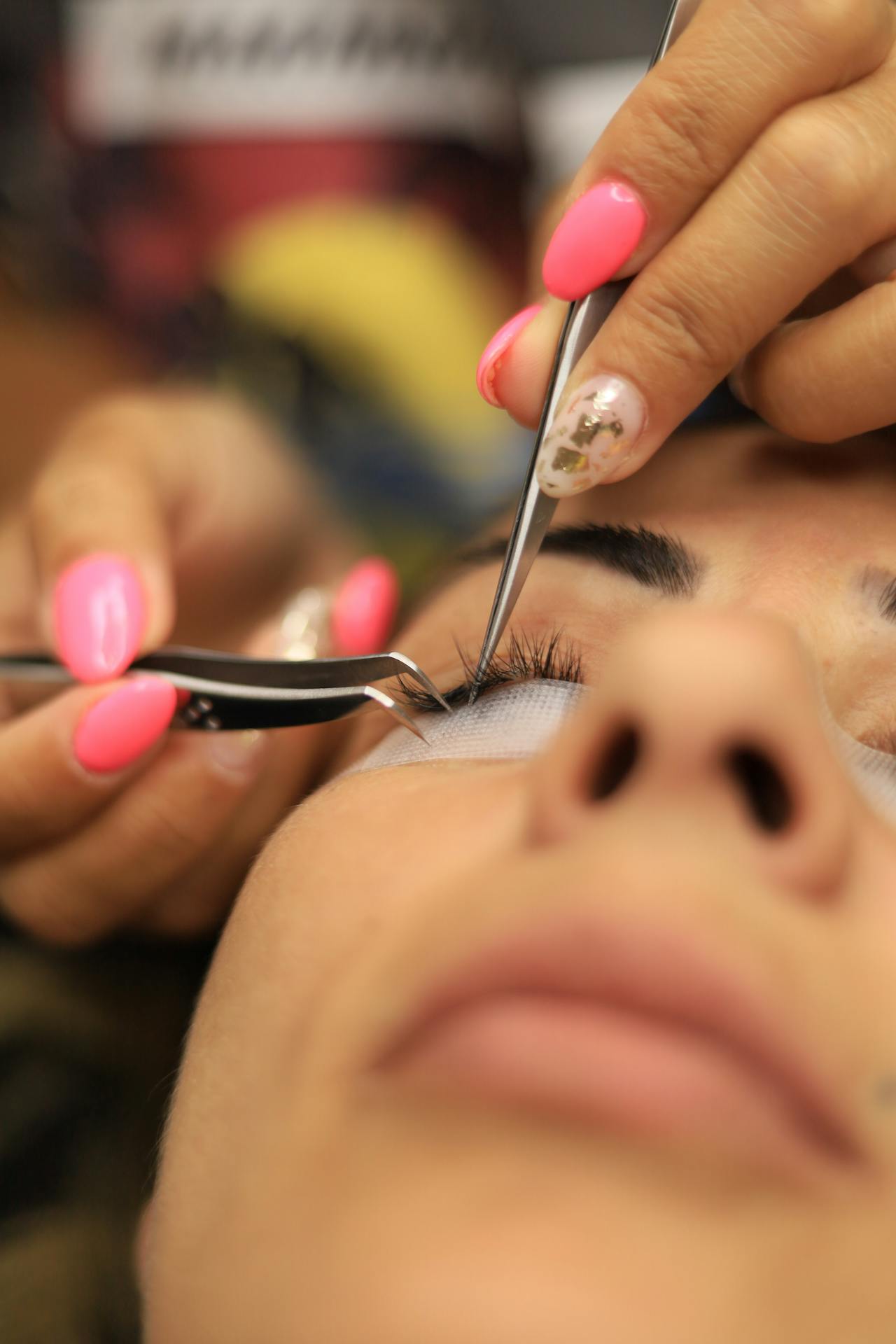
Volume vs hybrid lashes — which set should you book?
Volume lashes deliver a dense, dramatic look using 2D to 8D fans built by hand from very fine extensions; hybrid lashes blend classic singles with lighter volume fans for a softer, natural finish. Volume runs $200 to $350 per full set, hybrid $160 to $280, and both need fills every two to three weeks. Pick volume for glam and high-coverage events, hybrid for everyday and natural-looking wear.
The choice is mostly about density target and natural-lash health, not about which is 'better.' Both follow the same safety rules: isolation of each natural lash, fan weight under the natural lash's load capacity, and an adhesive cleared for cosmetic eye-area use. The American Academy of Ophthalmology emphasizes lash-line hygiene and proper isolation as the top determinants of safety.
Zoca's Lash & Brow Studios directory now lists 1,200+ certified lash artists across 65 US cities, with hybrid sets making up 41% of bookings versus 32% for classic and 27% for volume in 2026 — up from a 26% hybrid share in 2022.
Side-by-side: volume vs hybrid at a glance
The table maps the practical differences. Use it to triage before you book a consultation.
| Feature | Volume Lashes | Hybrid Lashes |
|---|---|---|
| Look | Dense, mascara-on, glam | Soft, fluttery, natural |
| Per-lash style | 2D – 8D handmade fans | ~70% classic, ~30% fans |
| Full set cost | $200 – $350 | $160 – $280 |
| Fill cost (2 – 3 wk) | $80 – $150 | $70 – $130 |
| Appointment length (full set) | 120 – 180 min | 90 – 150 min |
| Wear time before reset | 6 – 8 weeks with fills | 6 – 8 weeks with fills |
| Best for | Thin natural lashes, drama | Mixed density, natural look |
| Damage risk (well-applied) | Low to moderate | Low |
If you cannot tell from the table — most first-timers should start with hybrid. It is the most forgiving entry point and converts easily to volume at the next full set.
What are volume lashes?
Volume lashes use very thin (typically 0.03 to 0.07 mm) extensions hand-fanned into multi-lash clusters, then attached to a single natural lash. The look is uniform and dense. A 4D volume set means each fan contains four extensions; 8D means eight per fan.
The one-sentence answer: volume creates the look of a fuller, darker lash line by stacking weight-balanced fans on every isolated natural lash. Done correctly, total fan weight stays below the natural lash's capacity and damage risk is low. Done aggressively — heavy fans on weak lashes — it accelerates shedding and natural-lash thinning.
Who volume lashes work best for
Avoid volume if your natural lashes are very fine, you are recovering from lash adhesive sensitivity, or you cannot commit to 2- to 3-week fills.
What are hybrid lashes?
Hybrid lashes mix individual classic extensions with lighter (typically 2D to 4D) volume fans. The classic singles reinforce the lash line; the small fans fill the gaps. The default ratio is around 70:30 classic to volume, but many certified lash artists tailor the mix to your natural-lash density.
The one-sentence answer: hybrid is the in-between option — fuller and more textured than classic, lighter and more natural than volume. Wear is identical to volume at six to eight weeks total with two- to three-week fills. Damage risk is the lowest of the three systems when applied correctly.
Who hybrid lashes work best for
Cost over six months: volume vs hybrid
The full bill is more than the headline set price. Plan on biweekly to triweekly fills.
| Service | Volume (6-month) | Hybrid (6-month) |
|---|---|---|
| Full set (1) | $200 – $350 | $160 – $280 |
| Fills @ 2.5 wk (10) | $800 – $1,500 | $700 – $1,300 |
| Soak-off + reset (1) | $40 – $80 | $40 – $80 |
| Adhesive-sensitivity upgrade | $20 – $50 | $15 – $40 |
| Lash bath / aftercare kit | $30 – $60 | $30 – $60 |
| 6-month total | $1,090 – $2,040 | $945 – $1,760 |
Tip on 18 to 22% adds another $200 to $400. Major urban markets — NYC, LA, San Francisco — sit 25 to 45% above national medians.
How wear, fills, and shed cycles differ
Both systems live and die on the natural lash cycle, which runs 60 to 90 days. You shed an average of 20% of natural lashes every two weeks. That is why fills replace 30 to 50 extensions per visit in both volume and hybrid sets.
What changes the wear time
If a fill replaces more than 60% of the set, your artist should consult on switching adhesive, adjusting fan weight, or stepping you down from volume to hybrid.
Damage risk, adhesive allergies, and the FDA flag
The FDA notes eye-area cosmetics carry a higher infection and allergy risk than other categories. The most common reaction is to cyanoacrylate adhesives that release trace formaldehyde during cure. About 4 to 7% of US lash clients develop sensitivity over time, regardless of system.
Red flags to stop the appointment for
A certified lash artist will switch you to a sensitive or HEMA-free adhesive at the first sign and refer out if symptoms persist. If you are not sure your reaction is adhesive-related, the AAO's resource on extension safety is the best first read.
Volume vs hybrid: decision tree
Use the quick decision tree to land on the right set:
If you are still on the fence, book a 30-minute consult and ask the certified lash artist to demo a single fan on one eye. Many studios offer this complimentary or at $15 to $25.
Choosing a credentialed lash artist
Verify three things before booking:
Ask the artist:
About 27% of Zoca-listed lash artists post their certification and adhesive line publicly. Bring this checklist to your consult and the conversation will be measurably better.
Discover More Top-Rated Services
Complement your lash and brow services experience with these related services:
Frequently asked questions
What is the cost difference between volume and hybrid lashes?
Which is more natural-looking, volume or hybrid lashes?
How long do volume vs hybrid lash extensions last?
Are volume lashes safe for thin natural lashes?
How long does a volume vs hybrid lash appointment take?
Can I switch between volume and hybrid sets?
What is the difference between volume and mega-volume?
Do hybrid lashes damage natural lashes more than volume?
How often do I need fills with each system?
Which lash set is best for sensitive skin?
Need a provider in your area?
Browse our directory and book directly with local businesses.
Browse the directoryRelated articles
Hybrid Lashes vs Volume Lashes: Which Style Fits Your Eyes?
Hybrid and volume sets account for 70% of US lash bookings in 2026. Here is how to pick between them based on your natural lashes, eye shape, lifestyle, and budget.
Lash Extension Fill Costs
$60 to $180 for a lash extension fill in St. Augustine. Compare classic, hybrid, and volume options for the best value.
Lash Lift vs Extensions: Cost & Longevity
Lash lifts cost $75-$165 and last 6-8 weeks; extensions run $150-$350 with $60-$120 fills every 2-3 weeks. Compare upkeep, damage risk, and best fit.

Classic vs Volume Lash Extensions: Cost, Retention, Comparison
Classic, hybrid, and volume lash extensions cover most 2026 lash menus. Cost spans $145–$385 per set; retention spans 2–4 weeks; technique-time spans 90–180 minutes.
Wet Lashes vs Classic Lashes: 2026 Comparison Guide
Discover the differences between wet and classic lash sets, including application and retention. Compare options to find your perfect look.
Wispy Lashes vs Cluster Lashes vs Strips: Cost & Wear
Wispy professional lashes cost $185–$320, DIY cluster lashes $25–$60 per set, and strips $8–$45; here is how each option wears, damages, and fits real eyes.
Wet Lash Extensions vs Classic Lashes in 2026
Explore the differences between wet lash and classic extensions. Learn the benefits and styles to find your perfect match. Compare today!
Volume Lash Extensions Costs in Orlando, FL 2026
Discover the costs and benefits of volume lash extensions in Orlando. This guide covers average pricing and provides top salon recommendations.